Elementary School | E.L. Haynes Public Charter School
Considering E.L. Haynes for your student? Sign up for an upcoming open house today! Click here to view dates and register.

Pre-K3 – Grade 5

Elementary School

A diverse and joyful community serving students in Pre-K3 through 5th grade, our elementary school provides enriching academic experiences, engaging arts and extra-curricular programs, and responsive social-emotional initiatives, using a comprehensive whole-child approach.
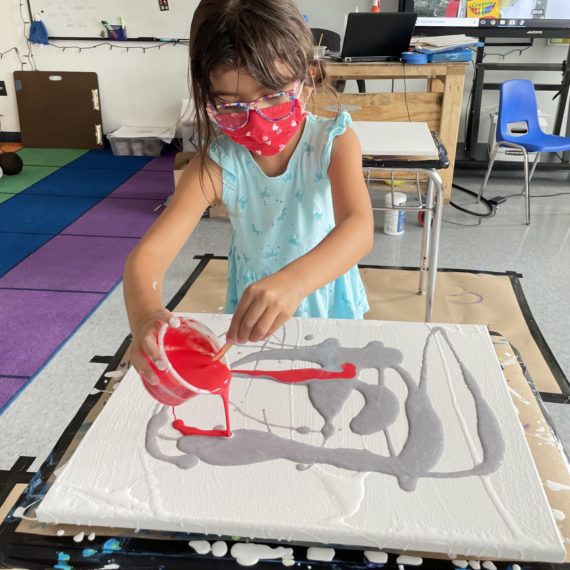
Science at E.L. Haynes – Active, Hands-On, and Meaningful: At E.L. Haynes, science is where curiosity meets challenge, and inquiry becomes understanding. Across elementary, middle, and high school, our students engage in science that is not about memorizing facts—but about thinking like scientists: asking questions, testing ideas, using real tools, and investigating how things work in the real world. Grounded in rigor, rooted in STEAM, and supported by high-quality curriculum and instruction, our science program invites students to explore, investigate, and make sense of the world with confidence and joy.

In our Elementary School, science is a place of discovery. At E.L. Haynes, every student benefits from a dedicated science teacher, shifting science from a classroom add-on to a core, supported experience. With abundant materials, equipment, and hands-on resources, students do more than observe—they experiment, build, and test ideas. We use the Amplify Science curriculum to make sure learning builds clearly from one grade to the next. Students explore real-world topics, make sense of what they observe, and take an active role in their learning.Culminating each year in a science fair that celebrates inquiry and creativity, our youngest scientists are encouraged to wonder, investigate, and share their findings with pride.

Technology at E.L. Haynes – Tools for Creation, Connection, and Cognition: At E.L. Haynes, technology is not an add-on—it is an essential means for learning, creating, and communicating. From the youngest learners to our oldest innovators, we embed purposeful technology use across grade levels to expand how students access information, express ideas, and solve problems. Whether students are learning to code, edit video, design an app, or use assistive tools that unlock potential, technology at Haynes supports equity, creativity, and real-world readiness.

In our Elementary School, technology is universally accessible: students in kindergarten through grade 5 participate in a 1:1 technology program, ensuring every learner has the digital tools they need to explore, create, and collaborate. Beyond access, students learn to use technology meaningfully, and across content areas by integrating opportunities to introduce learners to filming, video editing, and digital storytelling, helping them explore voice, purpose, and process. Technology also supports communication, helping staff and families to connect and share learning seamlessly. From foundational digital skills to creative production, Elementary technology experiences spark confidence and purpose.

Design, Build, Test, Refine. At E.L. Haynes, engineering is how students learn to turn ideas into solutions. Across all grade levels, students are invited to think like engineers—identifying problems, designing and building models, testing their ideas, and making improvements based on what they learn. Engineering at Haynes is both hands-on and cognitive: it includes physical construction, structural design, and computational thinking. Rooted in our STEAM identity, engineering provides the throughline that connects science, mathematics, technology, and creativity into purposeful problem-solving.

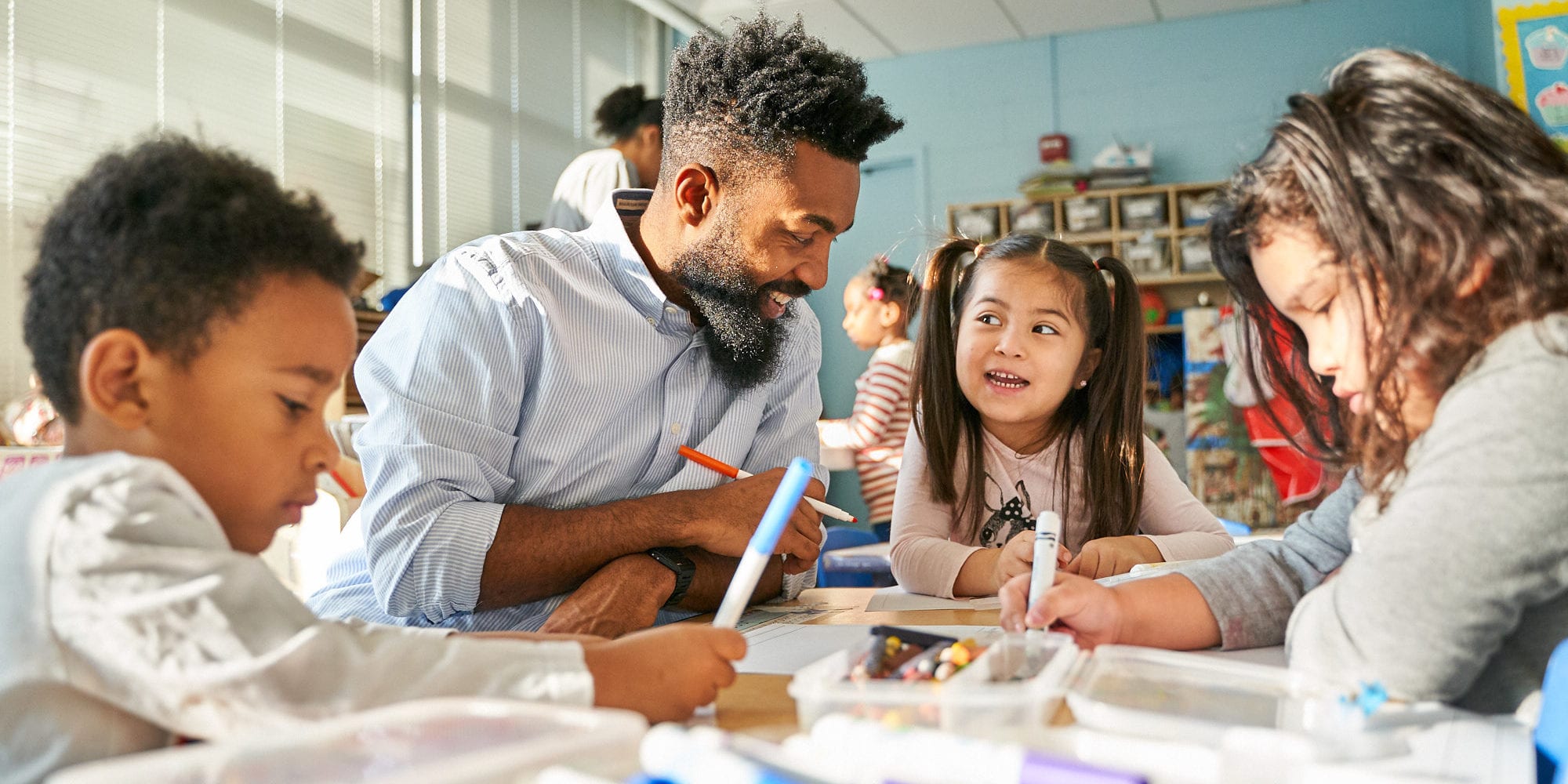
Engineering begins early at Haynes. In Pre-K, students engage in hands-on building and construction activities that introduce foundational design principles in developmentally appropriate ways. Whether participating in a building and construction unit or designing LEGO, our youngest learners begin to understand key engineering concepts: structure, pathways, constraints, cause and effect.

These projects are playful—but purposeful. Students test their ideas, make changes, and see how different designs affect the results. At this level, engineering helps students build spatial skills, persistence, and teamwork—creating a strong foundation for more complex design and problem solving in later grades.

Discipline, Design, and Creative Expression. At E.L. Haynes, the arts are not extracurricular—they are core to how students learn to think, create, and communicate. Across our Elementary, Middle, and High School campuses, students experience the arts as both craft and expression: disciplined skill-building paired with meaningful autonomy. Our arts educators are not only teachers; they are practicing artists, performers, writers, and designers who bring professional expertise into the classroom every day. The result is a coherent, vibrant arts continuum that develops technical proficiency, creative confidence, and authentic artistic voice.

The Elementary Arts program at Haynes is a longstanding pillar of our community. Our highly collaborative Arts Team—many of whom are working artists outside of Haynes—delivers predictable, high-quality programming with clear structures for auditions, rehearsals, and showcases.

Beyond the school day, students can choose from a wide range of arts programs that give them more chances to explore their interests and build their skills. Each year culminates in signature events such as the annual 5th grade musical, along with regular concerts and showcases that invite families into the creative process. Our arts faculty also lead cross-campus programming, including set design and production work that brings performances to life. In Elementary School, students learn that art requires practice, revision, collaboration—and courage.

Thinking, Reasoning and Real-World Problem-Solving. At E.L. Haynes, mathematics is not about speed or rote procedure. It is about thinking. Across all three campuses, we are building math classrooms where students reason, justify, collaborate, and solve complex problems with confidence. Our approach prioritizes conceptual understanding alongside fluency, ensuring students know not just how to compute—but why mathematics works. We use a strong curriculum and ongoing teacher support to make sure math learning builds clearly from Pre-K through 12th grade, helping students grow their skills and become independent problem solvers.

In Elementary School, mathematics receives protected, substantial instructional time each day. Beginning in third grade, math is departmentalized, allowing teachers to specialize and deepen their expertise in instruction. This specialization is strengthened through intentional collaboration with High School math educators, creating stronger vertical alignment and shared expectations across campuses.

Students engage in hands-on learning, visual models, and structured discourse to build conceptual understanding. Mathematics becomes an active space for dialogue and exploration rather than passive seatwork.

Targeted math intervention ensures students receive the support they need, while peer connections—such as High School students tutoring Elementary learners—reinforce community and deepen understanding for both groups.

Language as Connection, Identity, and Academic Growth. At E.L. Haynes, learning languages is about both academics and connection. It helps students think in new ways, understand different cultures, and see their own experiences and identities reflected and valued.Across our campuses, Spanish instruction builds progressively from exposure and exploration to advanced proficiency, supported by strong PK-12 alignment and deep content expertise within our language department. Language at Haynes is not simply a requirement—it is a bridge between home and school, between cultures, and between ideas.

In our Elementary School, students are introduced to Spanish as part of our Extended Day Program, where they begin developing foundational vocabulary, listening skills, and cultural awareness in an engaging and accessible environment.

This work is strengthened by the linguistic diversity of our staff. Many Haynes educators and team members are bilingual in Spanish and English, along with other languages, reflecting and honoring the linguistic backgrounds of our students and families. Language learning in Elementary School supports both academic growth and belonging, reinforcing that multilingualism is an asset within our community.

Since joining the staff of E.L. Haynes as a teaching assistant in 2007, it has been an immense privilege to do the work we do with students, staff, and families every day. I love the community we have all built here, together.

Brittany Wagner-Friel
Principal, Elementary School

Early Childhood Education

For our youngest learners, we leverage Every Child Ready (ECR), a book and play-based thematic curriculum where students learn about building and construction, their community, artists and the art they create, the elements of culture, the solar system, animals,dinosaurs, and more.

Whole Child Approach

Our elementary school curriculum is designed to support the whole child. From academics, play, arts and fitness, wellness and social emotional learning, we are committed to ensuring the success of our students—academically, emotionally, and physically.
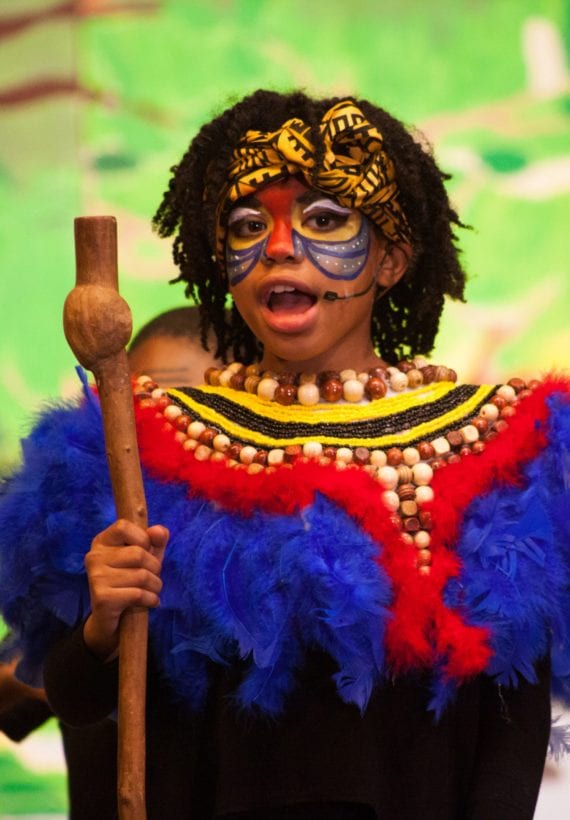
A commitment to the arts.

All E.L. Haynes Elementary School students participate in visual arts, music, and dance each week. Further, students demonstrate their incredible talents in annual performances and concerts, as well in our cross-campus celebrations.
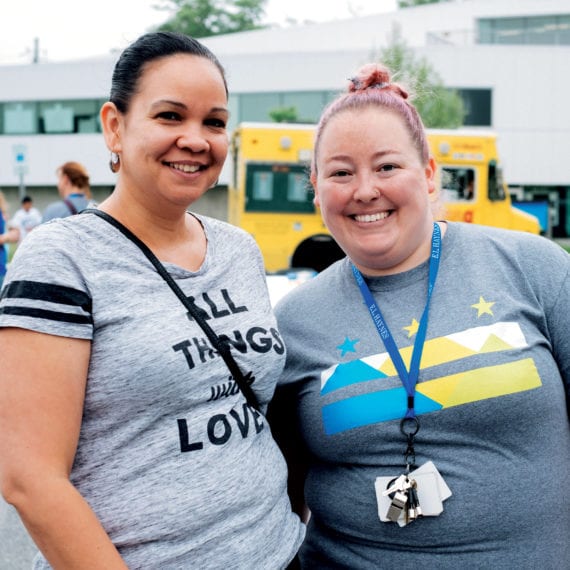
Family Day 2019

Family Engagement & ROAR

From home visits to parent-teacher conferences to our family groups, family engagement is critical to the success of our students, and we prioritize this work to ensure we are building critical relationships between staff and families. ROAR is our elementary school family group and we encourage all families to join.

Help us create a more just and kind world.